
Services
HVAC Hydronic Piping Contractors in New York City
Jaccel & Heat Mechanical installs and services HVAC hydronic piping systems for general contractors, prime mechanical contractors, and institutional facilities across New York City, Nassau County, and Suffolk County. We handle hot water, chilled water, and condenser water piping on commercial and industrial projects of all sizes. All work is performed by Local 638 steamfitters with the experience and credentials to meet the demands of New York’s most complex job sites.
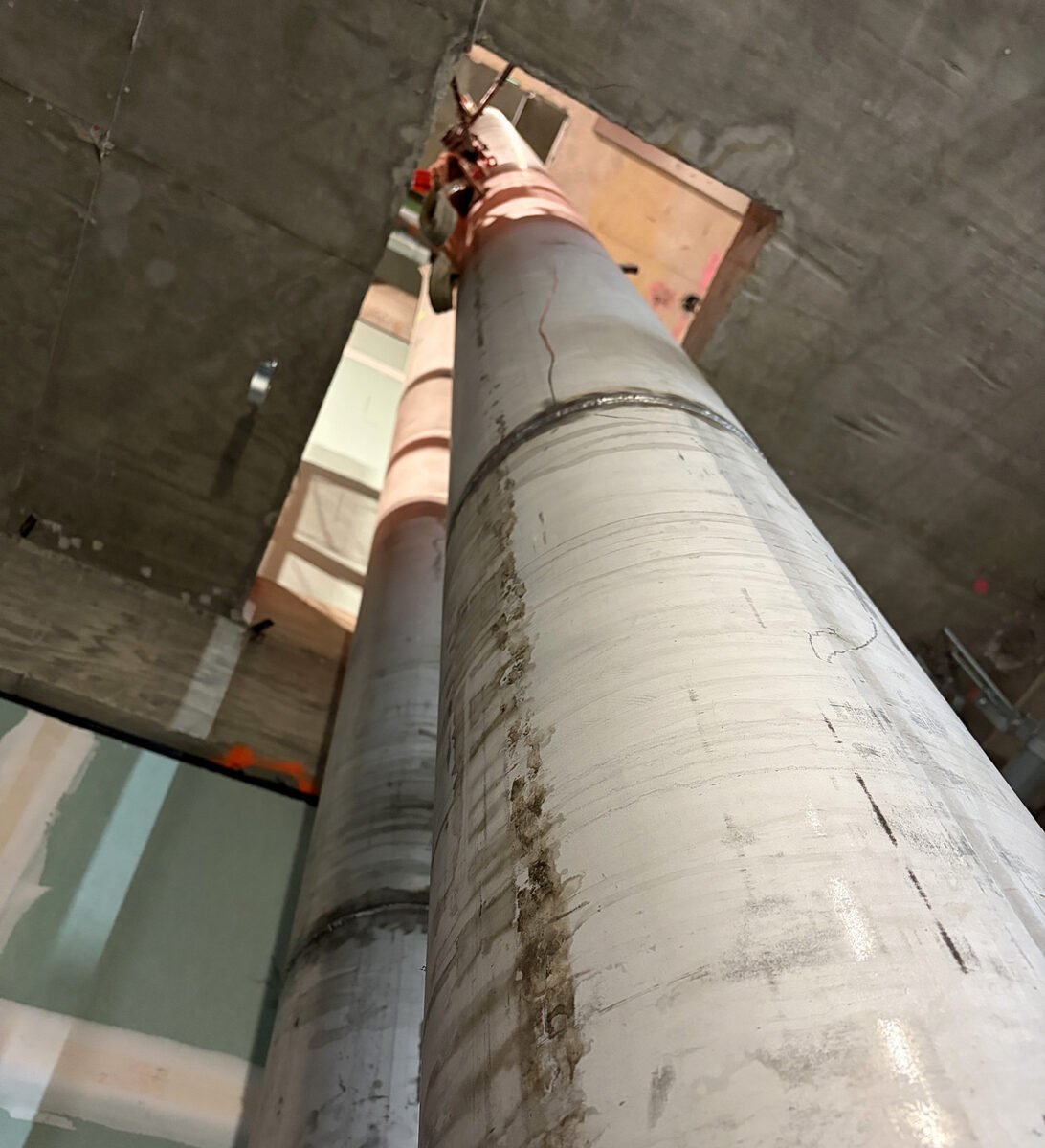
Hydronic Piping
Commercial Hydronic Piping: What the Work Involves
Hydronic systems move heated or cooled water through a building to regulate temperature. On a commercial job, that means miles of piping, dozens of connections, and a system that has to perform reliably under continuous load. Poorly installed hydronic piping creates pressure imbalances, inefficient heat transfer, and maintenance headaches that cost building owners for years.
We handle the full scope of hydronic piping installation: supply and return mains, branch piping, expansion tanks, air separators, balancing valves, and the mechanical connections to HVAC equipment, on new construction and existing buildings alike.
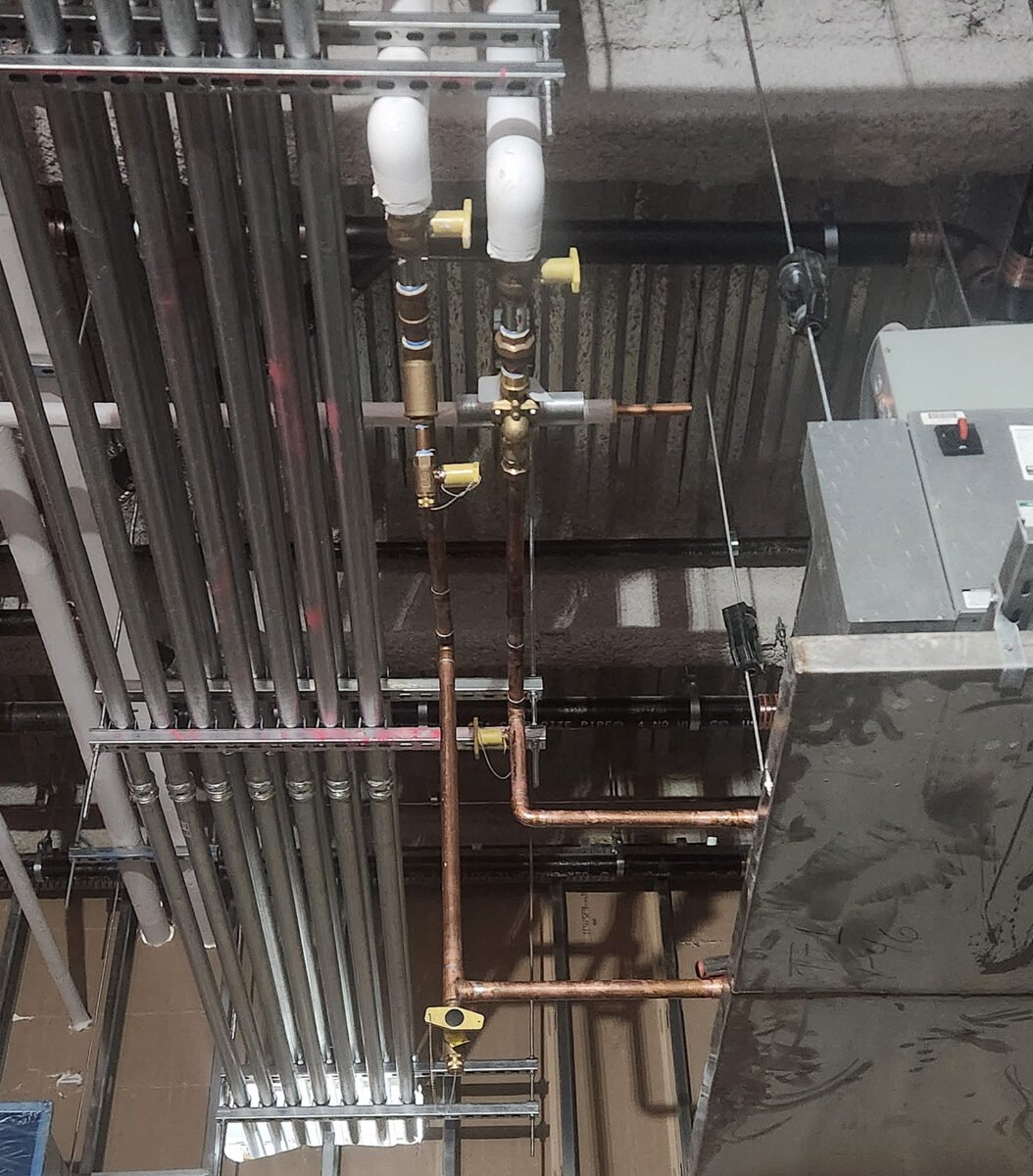
System Types
Hot Water, Chilled Water and Condenser Water Piping Systems
Hydronic piping covers several distinct system types, each with its own design and installation standards. Hot water heating systems circulate heated water from a boiler through terminal units to condition interior spaces. Chilled water systems distribute water cooled by a chiller to air handling and fan coil units. Condenser water systems handle heat rejection between chillers and cooling towers, running at higher flow rates and under different pressure conditions.
We install all three, and our crews understand what each one requires to perform correctly over the long term.
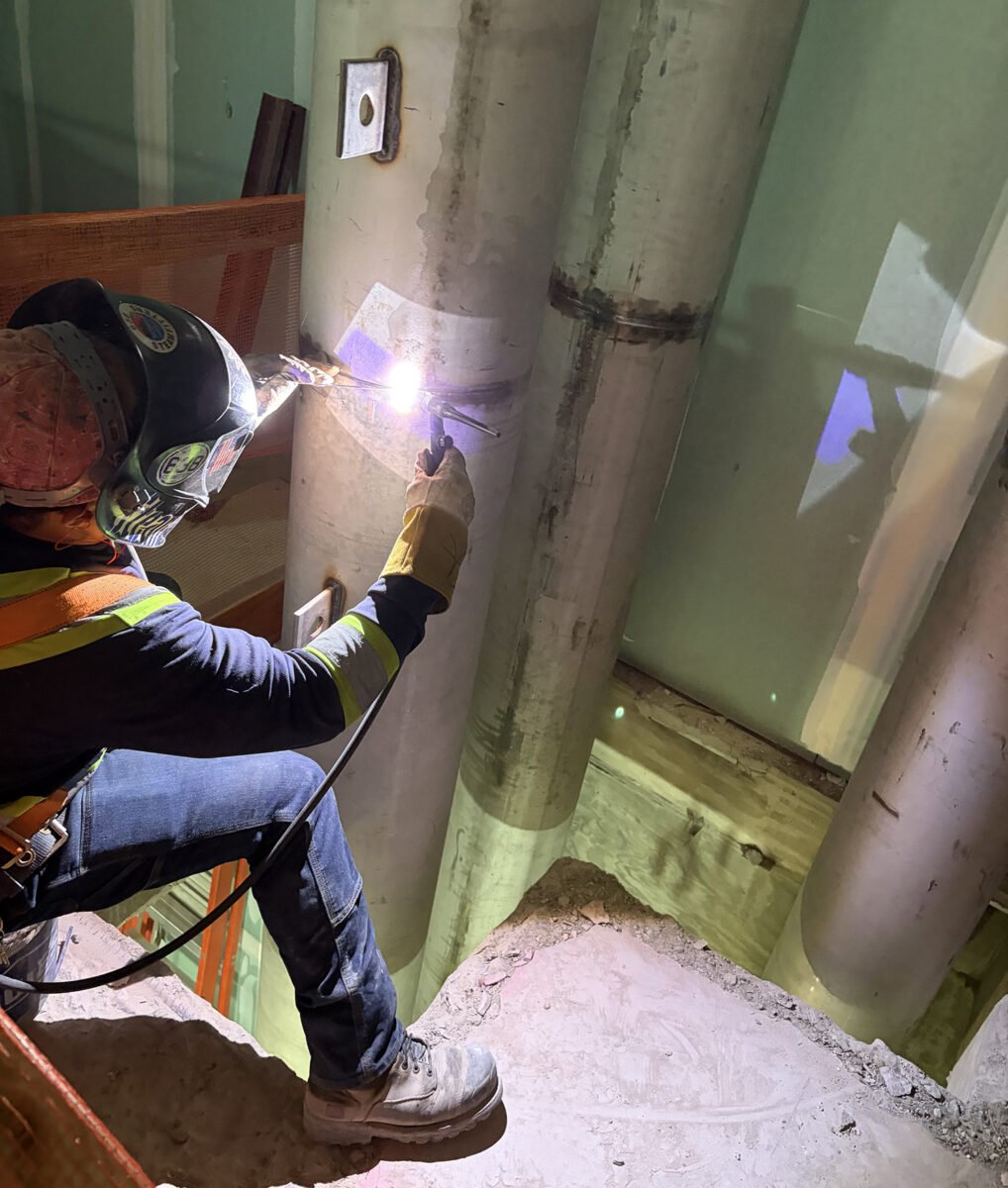
Union Labor
Hydronic Piping for New York's Institutional and Commercial Facilities
Large buildings put serious demands on hydronic systems. A hospital running 24 hours a day can’t tolerate system failures. A high-rise office building has to balance heating and cooling loads across dozens of zones at once. Jaccel & Heat works exclusively in commercial and institutional environments, and understands the scheduling constraints, trade coordination, and compliance standards that come with them.
We are a Local 638 union shop, a New York State Certified Minority Business Enterprise (MBE), and a Port Authority of NY & NJ Certified Small Business Enterprise (SBE), a qualified partner for projects with union or minority business participation requirements.
FAQs
Frequently Asked Questions
Two-pipe vs. four-pipe hydronic systems: which is better for commercial buildings?
A two-pipe system uses a single set of supply and return mains that alternate between heating and cooling seasonally. A four-pipe system maintains separate heating and cooling circuits, allowing simultaneous heating and cooling in different zones. For most commercial and institutional buildings in New York, a four-pipe system is the better long-term investment because it gives the building operator independent control over heating and cooling without seasonal changeovers. Two-pipe systems are cheaper to install but create operational limitations that building owners often regret in mixed-use or occupancy-diverse facilities.
What causes pressure imbalances in hydronic piping, and how are they fixed?
Pressure imbalances typically result from improper pipe sizing, inadequate balancing during commissioning, or modifications to the system over time that weren’t properly accounted for. Symptoms include uneven heating or cooling, noisy piping, and excessive pump energy consumption. Correction usually involves hydraulic balancing, which means adjusting balancing valves throughout the system to achieve design flow rates at each terminal unit. In some cases, pipe resizing or pump replacement is necessary. A proper installation with the right pipe sizing and balancing valves from the start prevents most of these issues.
How is hydronic piping coordinated with other trades on a commercial project?
Hydronic piping runs through the same plenum spaces, shafts, and mechanical rooms as electrical conduit, ductwork, plumbing, and fire suppression systems. Coordination happens through BIM modeling and coordination drawings before installation begins, and through regular trade coordination meetings on the job site. Our crews work within the established coordination process and flag conflicts early rather than cutting corners and creating problems for the next trade in sequence.
What are NYC's insulation requirements for hydronic piping?
Hydronic piping insulation in New York City commercial buildings must comply with the NYC Energy Conservation Code, which sets minimum insulation thickness requirements based on pipe diameter, service temperature, and location within the building. Chilled water piping requires vapor barrier insulation to prevent condensation. Hot water and steam piping require thermal insulation rated for the operating temperature of the system. Compliance is verified during inspection and is a condition of occupancy sign-off.
What should a GC look for in a hydronic piping subcontractor's proposal?
Look beyond the number. A hydronic piping proposal should specify pipe material and schedule, insulation type and thickness, valve and specialty selections, and the balancing methodology. Vague proposals that just say “install hydronic piping per plans” leave too much room for substitutions and shortcuts that affect long-term system performance. Ask for a scope breakdown by system type and verify that the sub has direct experience with the specific system configuration on your project, not just general hydronic work.
Contact
Ready to Talk About Your Next Project?
From a single boiler installation to a full mechanical room build-out, Jaccel & Heat is the mechanical contractor NYC facilities call for HVAC, steam piping, and preventative maintenance work. We cover the five boroughs, Nassau, and Suffolk, on commercial, industrial, and institutional job sites alike. Tell us what you’re working on and we’ll get back to you fast.