
Services
Process Piping Contractors in New York City for Commercial and Industrial Facilities
Jaccel & Heat Mechanical installs process and industrial piping systems for general contractors, prime mechanical contractors, and industrial facility owners across New York City, Nassau County, and Suffolk County. We work with chemical process systems, fuel oil piping, stainless steel, and high-purity piping for applications where material selection, cleanliness standards, and installation precision are non-negotiable. All work is performed by Local 638 steamfitters with the technical training and field experience these systems require.
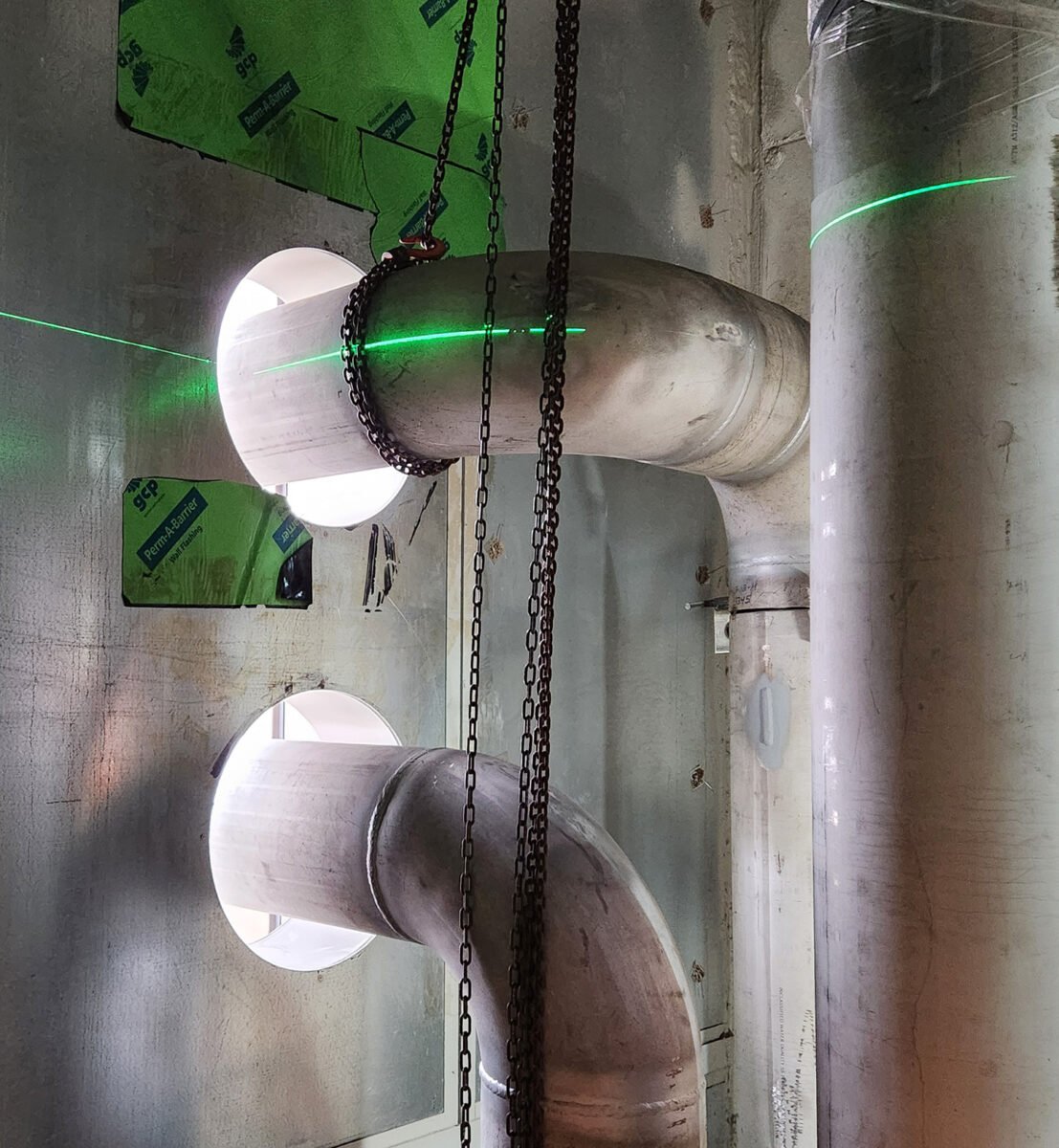
Process Piping
Process Piping Installation: What Sets It Apart
Process piping is not general mechanical work. These systems carry chemicals, fuels, gases, or high-purity fluids with specific requirements for pipe material, joint method, cleaning protocol, and pressure testing, and the consequences of a failure are more severe than a leaking hydronic system: contamination, chemical exposure, fire risk, and process downtime are all on the table.
We handle process piping for chemical process systems, fuel oil piping, stainless steel process lines, and high-purity piping for pharmaceutical, laboratory, and food processing applications. Our crews know the difference between a carbon steel fuel oil line and a sanitary stainless system welded, passivated, and documented to FDA or USP standards.
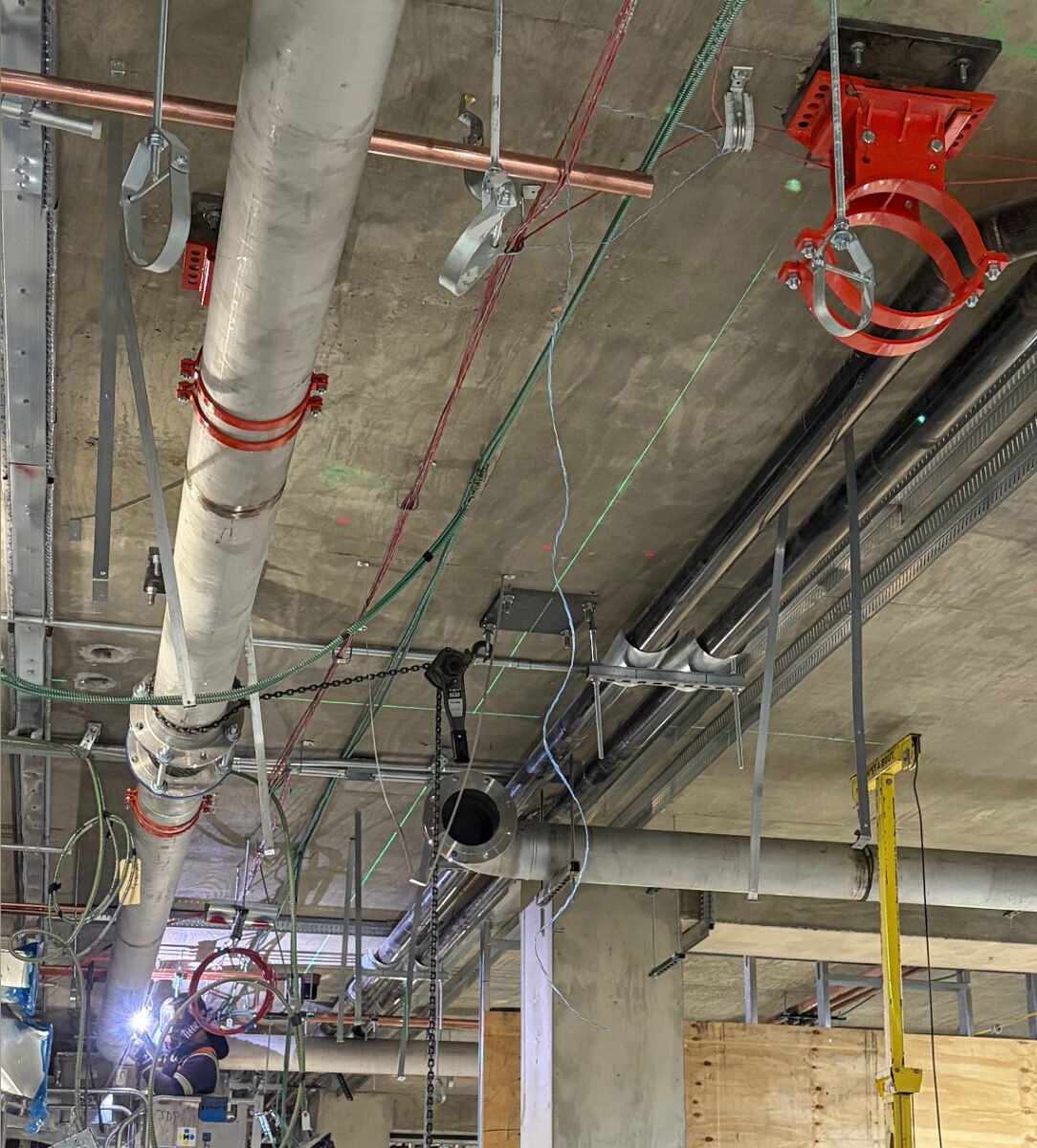
Fuel Oil Systems
Fuel Oil Piping Systems for Commercial Facilities
Fuel oil piping is common in New York City commercial and institutional buildings, particularly older facilities using fuel oil for boiler systems or emergency generators. It’s also heavily regulated, with NYC-specific requirements for storage tanks, piping materials, secondary containment, and leak detection.
We install fuel oil supply and return piping, tank connections, transfer systems, and the full valve and specialty package, and we’re familiar with the NYC Fire Code and Department of Buildings requirements that govern these systems, coordinating with the Authority Having Jurisdiction on permitting and inspection as part of the job.
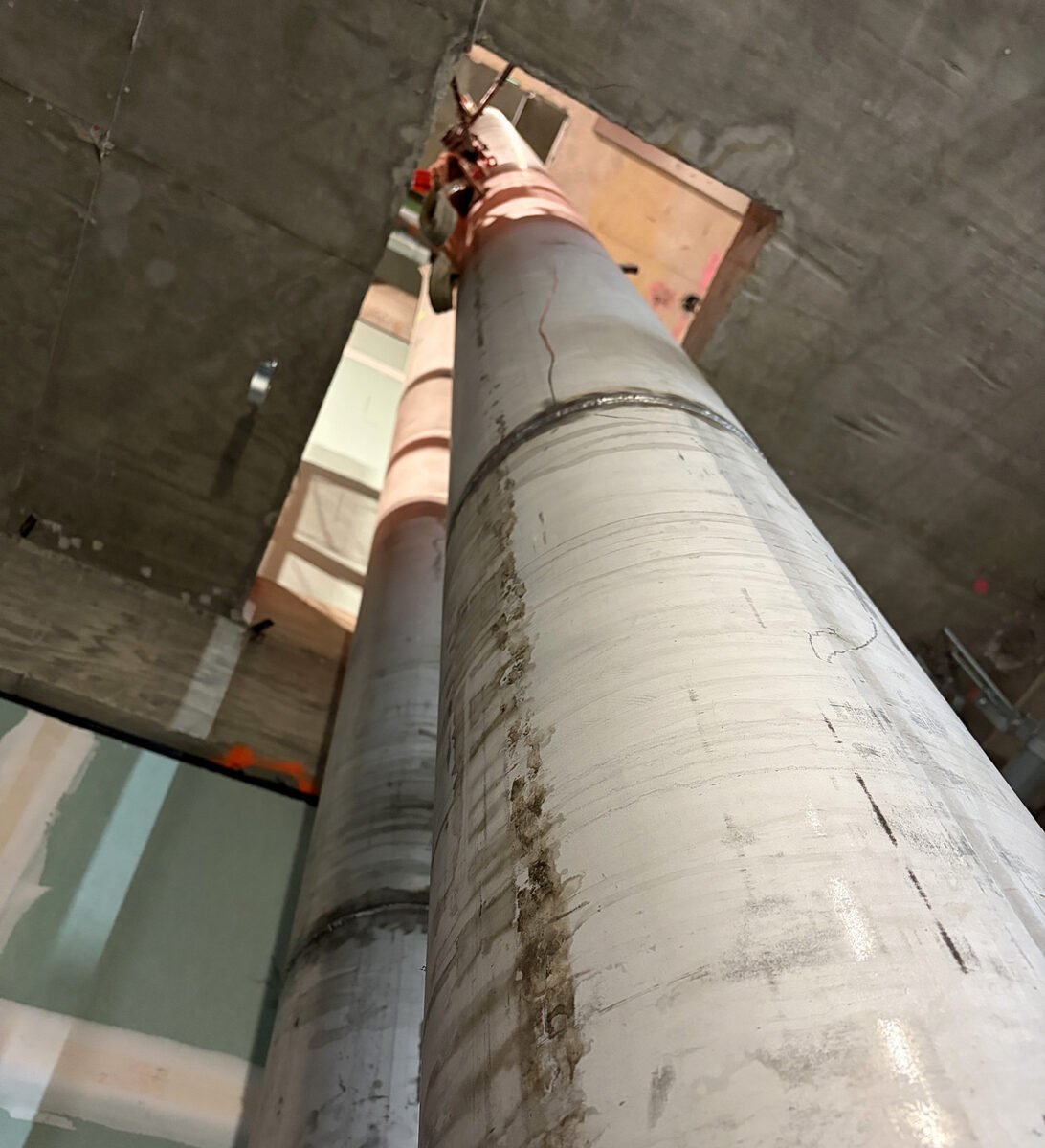
High-Purity Piping
Stainless Steel and High Purity Piping
Stainless steel and high-purity piping is a specialty within the mechanical trades, used in pharmaceutical manufacturing, laboratories, hospital central sterile supply, and food and beverage processing, where contamination of the fluid is unacceptable. Orbital welding, electropolishing, passivation, and documentation of cleaning and testing are part of the scope, and the tolerance for installation shortcuts is zero.
Our crews have the training and experience to handle stainless steel and high-purity piping to the standards these applications require.
FAQs
Frequently Asked Questions
How is piping material selected for chemical process systems?
Material selection for chemical process piping depends on the fluid being handled, its temperature and pressure, and the consequences of a material failure. Carbon steel is common for fuel oil and many industrial fluids. Stainless steel is used where corrosion resistance or cleanliness is required. Duplex stainless, Hastelloy, and other alloys are specified for aggressive chemicals. Plastic piping such as CPVC or PVDF is used for certain corrosive applications where metal would degrade. The engineer of record specifies the material based on a fluid compatibility analysis and the applicable code, typically ASME B31.3 for process piping. The contractor’s job is to install to that specification without substitution.
What does ASME B31.3 require for process piping installation?
ASME B31.3 is the industry standard for process piping design and construction. It governs pipe material selection, joint design, welding procedures and welder qualification, examination requirements, and pressure testing. For commercial and industrial projects, compliance with B31.3 is typically specified by the engineer and verified through inspection records and pressure test documentation. Welders working on B31.3 systems must be qualified to the applicable welding procedure specification. Our crews work to B31.3 requirements on process piping jobs and maintain the documentation the standard requires.
What are NYC's requirements for commercial fuel oil piping?
Commercial fuel oil piping in New York City is regulated under the NYC Fire Code, Chapter 34, and requires permits from the NYC Department of Buildings and the FDNY for storage tanks above certain capacities. Piping materials, joint methods, secondary containment, and leak detection requirements are specified based on tank size and fuel type. Above-ground fuel oil piping in a mechanical room has different requirements than underground tank piping. All fuel oil work in NYC requires coordination with the Authority Having Jurisdiction and inspection before backfill or insulation. Jaccel & Heat handles permitting coordination as part of the scope.
Sanitary vs. industrial stainless steel piping: why does the difference matter?
A sanitary stainless system is designed and installed to prevent bacterial contamination of the fluid. That means tube OD sizing rather than pipe schedule sizing, orbital or sanitary butt weld joints rather than threaded or socket weld connections, interior surface finish requirements measured in Ra microinches, and cleaning and passivation documentation after installation. An industrial stainless system uses standard pipe, standard joints, and standard testing without the surface finish or documentation requirements. Installing an industrial system where a sanitary system was specified is a compliance failure that can result in product contamination and regulatory action for the facility owner.
How is high-purity piping tested and documented after installation?
High-purity piping systems are pressure tested with clean, dry nitrogen or compressed air rather than water to avoid introducing contamination. After pressure testing, the system is cleaned using a defined protocol, typically a combination of solvent flushing and passivation with citric or nitric acid solution. The cleaning and passivation process is documented with certificates that become part of the facility’s qualification records. For pharmaceutical facilities operating under FDA oversight, this documentation is not optional. It’s part of the validation package the facility needs to operate. Our crews understand the documentation requirements and produce records that hold up to regulatory scrutiny.
Contact
Ready to Talk About Your Next Project?
From a single boiler installation to a full mechanical room build-out, Jaccel & Heat is the mechanical contractor NYC facilities call for HVAC, steam piping, and preventative maintenance work. We cover the five boroughs, Nassau, and Suffolk, on commercial, industrial, and institutional job sites alike. Tell us what you’re working on and we’ll get back to you fast.