
Services
Commercial Mechanical Maintenance and Emergency Services in New York City
Jaccel & Heat Mechanical provides preventative maintenance programs and emergency mechanical services for facility owners, building managers, and institutional facilities across New York City, Nassau County, and Suffolk County. We keep commercial mechanical systems running and respond when something goes wrong. All work is performed by Local 638 steamfitters with the hands-on experience to diagnose problems fast and fix them right.
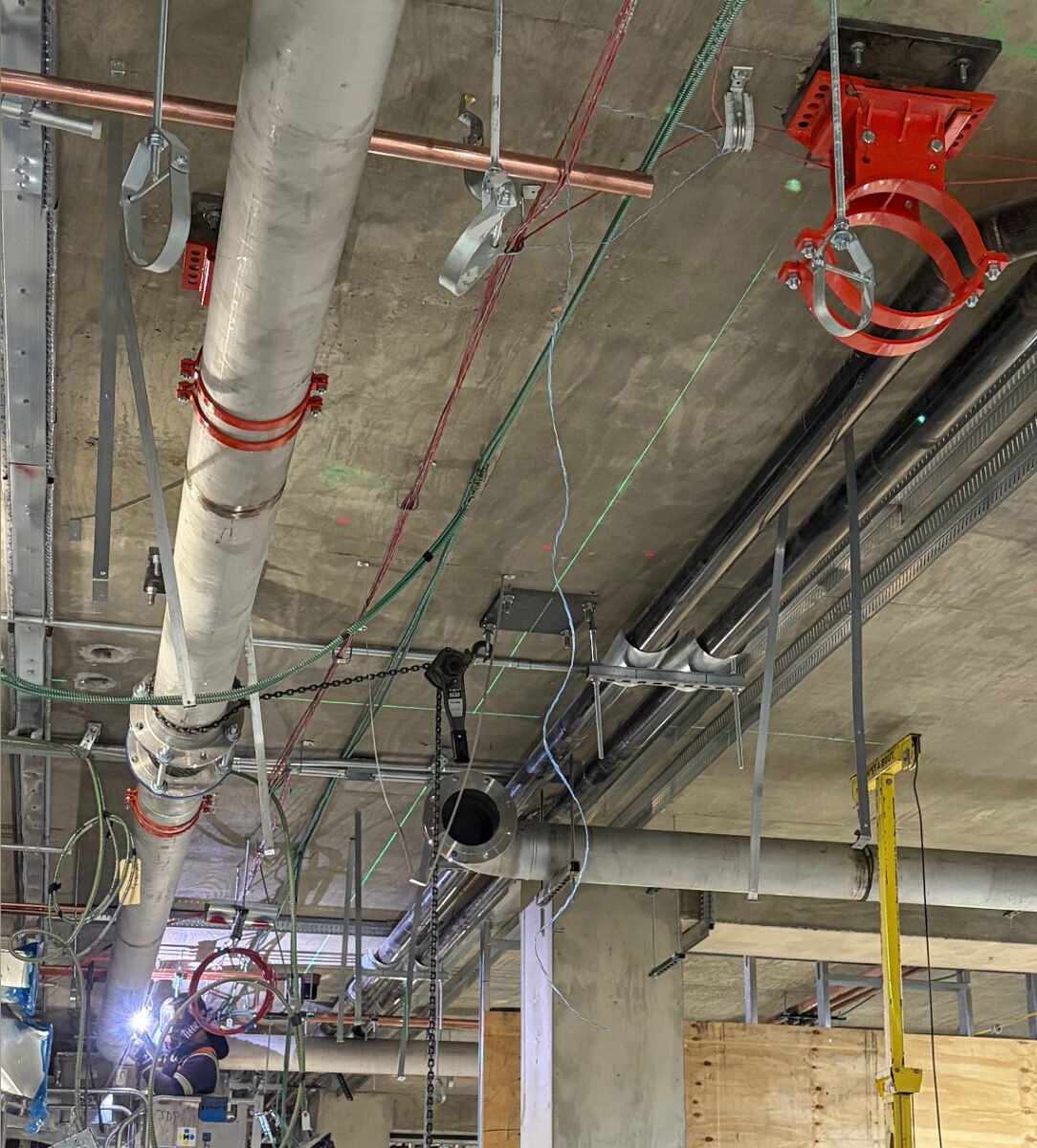
Preventative Maintenance
Preventative Maintenance for Commercial Mechanical Systems
A mechanical system that isn’t maintained will fail. The only question is when and how badly. In a commercial or institutional building, an unplanned failure isn’t just an inconvenience, it’s an operational disruption, a potential code compliance issue, and in some facilities, a patient safety concern.
Preventative maintenance covers boiler inspections and tune-ups, chilled water and hydronic system checks, pump and valve servicing, strainer cleaning, expansion tank inspection, and chemical treatment verification. We scope maintenance programs to what each building’s systems actually need, not a one-size-fits-all schedule.
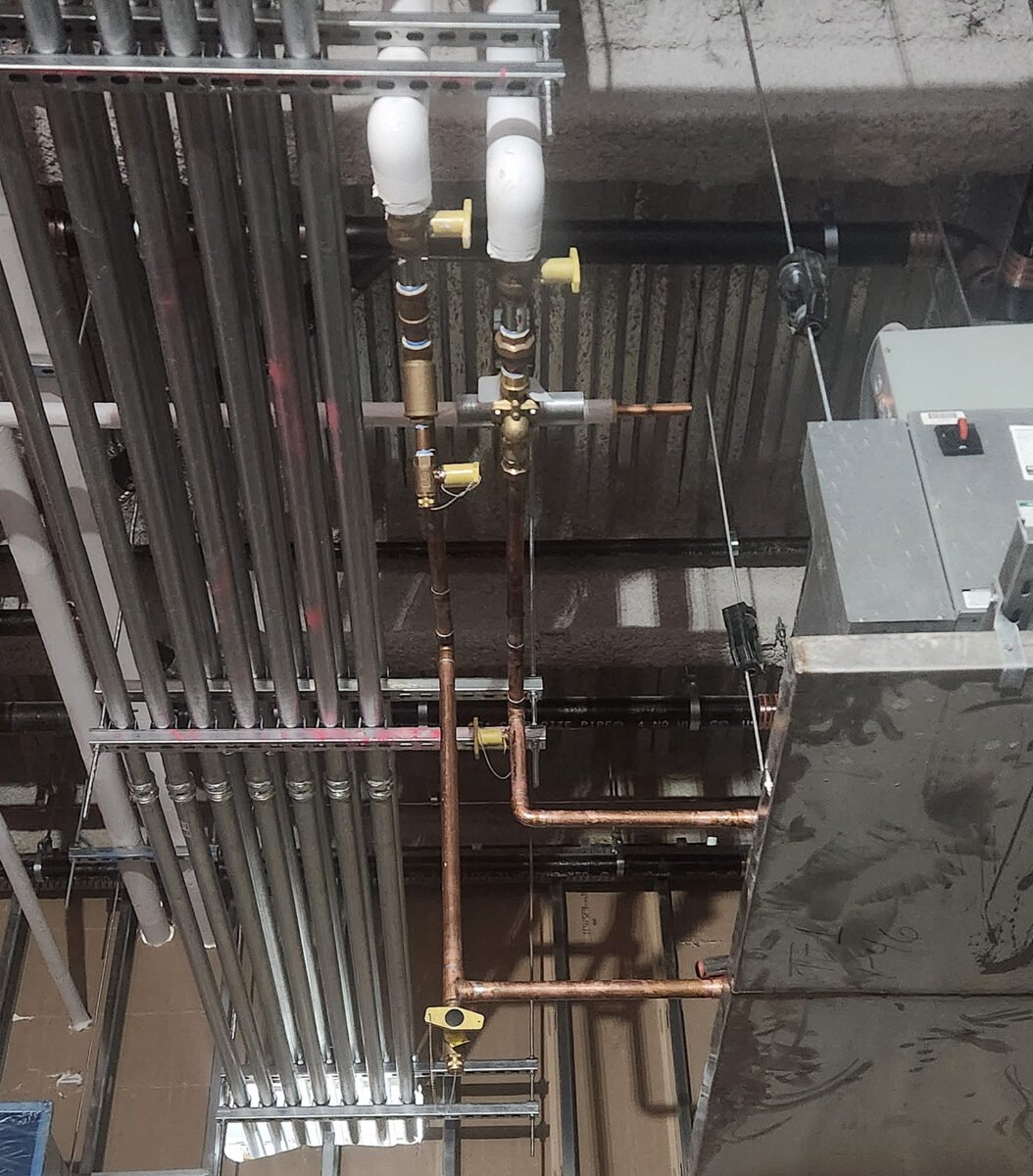
Emergency Services
Preventative Maintenance for Commercial Mechanical Systems
A mechanical system that isn’t maintained will fail. The only question is when and how badly. In a commercial or institutional building, an unplanned failure isn’t just an inconvenience, it’s an operational disruption, a potential code compliance issue, and in some facilities, a patient safety concern.
Preventative maintenance covers boiler inspections and tune-ups, chilled water and hydronic system checks, pump and valve servicing, strainer cleaning, expansion tank inspection, and chemical treatment verification. We scope maintenance programs to what each building’s systems actually need, not a one-size-fits-all schedule.
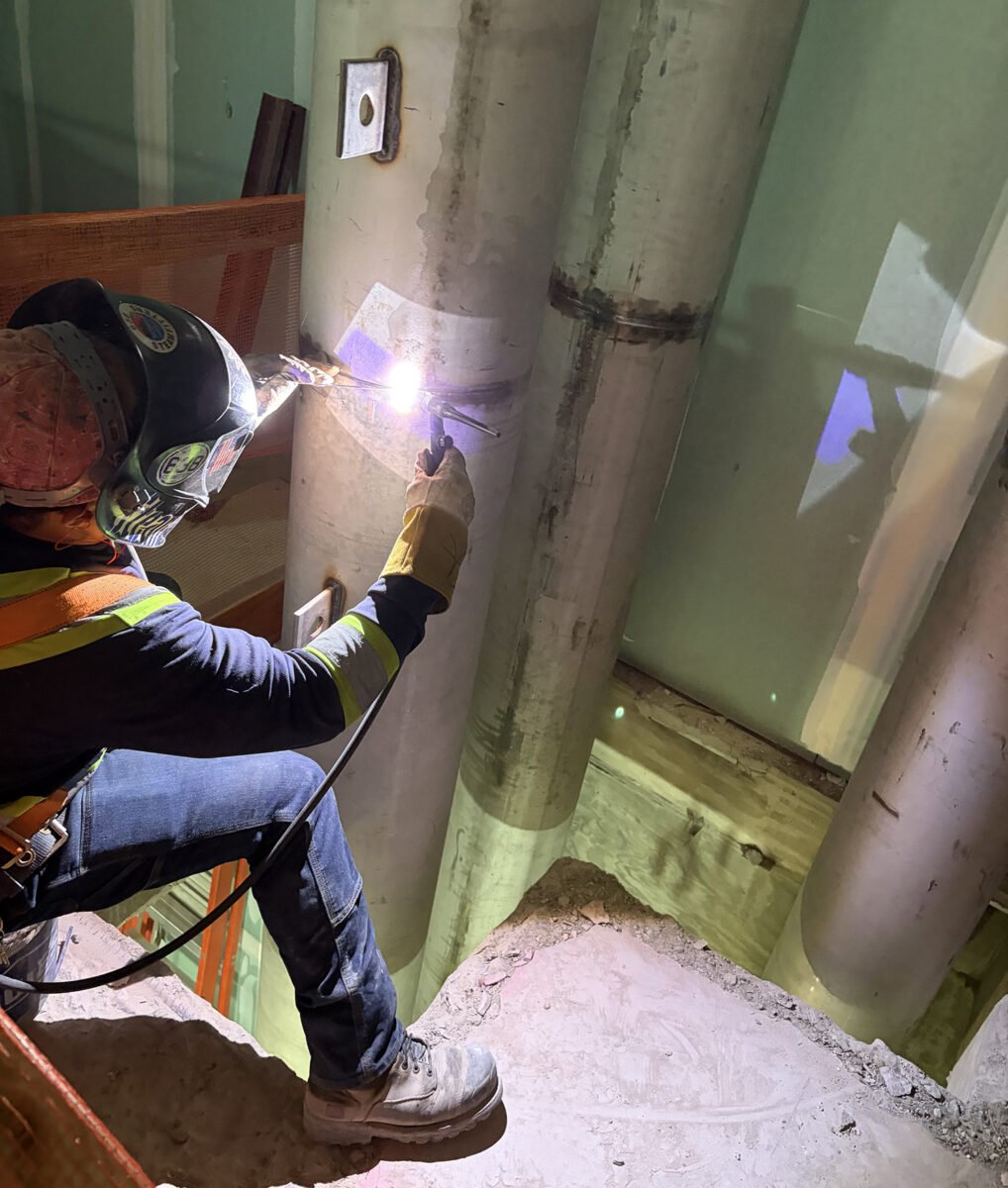
Union Labor
Mechanical Maintenance for Institutional and Commercial Facilities
Institutional facilities have maintenance requirements that go beyond a standard commercial building. Hospitals have Joint Commission requirements tied to maintenance frequency and documentation, and facilities with fuel oil systems have inspection requirements under the NYC Fire Code. Maintenance in a hospital isn’t the same as maintenance in an office building, and we don’t treat it that way.
We are a Local 638 union shop, a New York State Certified Minority Business Enterprise (MBE), and a Port Authority of NY & NJ Certified Small Business Enterprise (SBE), a qualified partner for institutional and public sector maintenance work with union or minority business participation requirements.
FAQs
Frequently Asked Questions
What should a commercial boiler preventative maintenance program include?
A comprehensive commercial boiler preventative maintenance program should include annual burner inspection and tune-up, heat exchanger inspection for scaling and corrosion, safety valve testing and certification, low water cutoff testing, combustion analysis, flue gas temperature measurement, and inspection of all associated piping, valves, and controls. Boilers in New York City commercial buildings are subject to annual inspection by the NYC Department of Buildings, and the inspection record has to be maintained on-site. Beyond the code-required annual inspection, most commercial boilers benefit from a mid-season service check during peak heating season. The frequency of additional maintenance depends on system age, operating hours, and water quality, which is why a chemical treatment program that maintains proper water chemistry is part of any serious boiler maintenance program.
What are NYC's inspection requirements for commercial fuel oil systems?
Commercial fuel oil systems in New York City are regulated under the NYC Fire Code and require periodic inspection and testing depending on tank size and fuel type. Above-ground storage tanks require annual inspection. Underground storage tanks have more extensive requirements, including leak detection, cathodic protection monitoring, and periodic tightness testing. Fuel oil piping systems require periodic leak testing. Records of all inspections and tests must be maintained and made available to the FDNY on request. Facilities that fail to maintain required inspection records face fines and potential operational restrictions. Jaccel & Heat is familiar with the NYC Fire Code requirements for fuel oil systems and provides inspection and testing services as part of our maintenance programs.
How do you triage a mechanical emergency affecting multiple systems?
Triage on a commercial mechanical emergency starts with life safety and critical systems. In a hospital, that means systems serving operating rooms, ICUs, and other critical care areas before administrative spaces. In any occupied building, it means restoring heating or cooling to occupied areas before addressing back-of-house systems. Beyond life safety and critical systems, prioritization depends on what’s causing the most operational disruption and what has the most downstream consequences if left unaddressed. A failed pump on a primary chilled water loop affects the entire building. A failed pump on a branch circuit affects one zone. We assess the full system picture when we arrive, not just the component that’s visibly failed, because in a complex mechanical system, the thing that’s broken isn’t always the thing that caused the problem.
What maintenance documentation should a facility manager keep, and why?
Facility managers should maintain records of all preventative maintenance performed, including date, scope of work, technician credentials, any parts replaced, and findings from system inspections. For boilers, the NYC Department of Buildings inspection certificate must be posted. For fuel oil systems, FDNY inspection records must be available on request. For hospitals and healthcare facilities, The Joint Commission requires documented evidence of preventative maintenance on a defined schedule as part of the Environment of Care standards. Beyond regulatory compliance, maintenance records are critical when a system fails because they tell the responding technician the history of the system and help narrow down the cause of the failure. A facility with no maintenance records is a facility where every emergency starts from zero.
Planned shutdown vs. emergency repair: how should facility managers prepare for each?
A planned shutdown is a scheduled outage where the scope of work is defined in advance, materials and manpower are staged before the window opens, and the facility has made operational adjustments to accommodate the outage. A planned shutdown should have a defined start time, a defined completion target, and a contingency plan if the work takes longer than anticipated. An emergency repair starts with an unknown scope and works against the clock. The facility manager’s role in an emergency is to provide the responding contractor with accurate information about the system, clear access to the affected area, and a point of contact with decision-making authority. Decisions made slowly in a mechanical emergency are expensive. Knowing in advance who can authorize scope changes and expenditures on an emergency basis saves critical time when the situation is active.
Contact
Ready to Talk About Your Next Project?
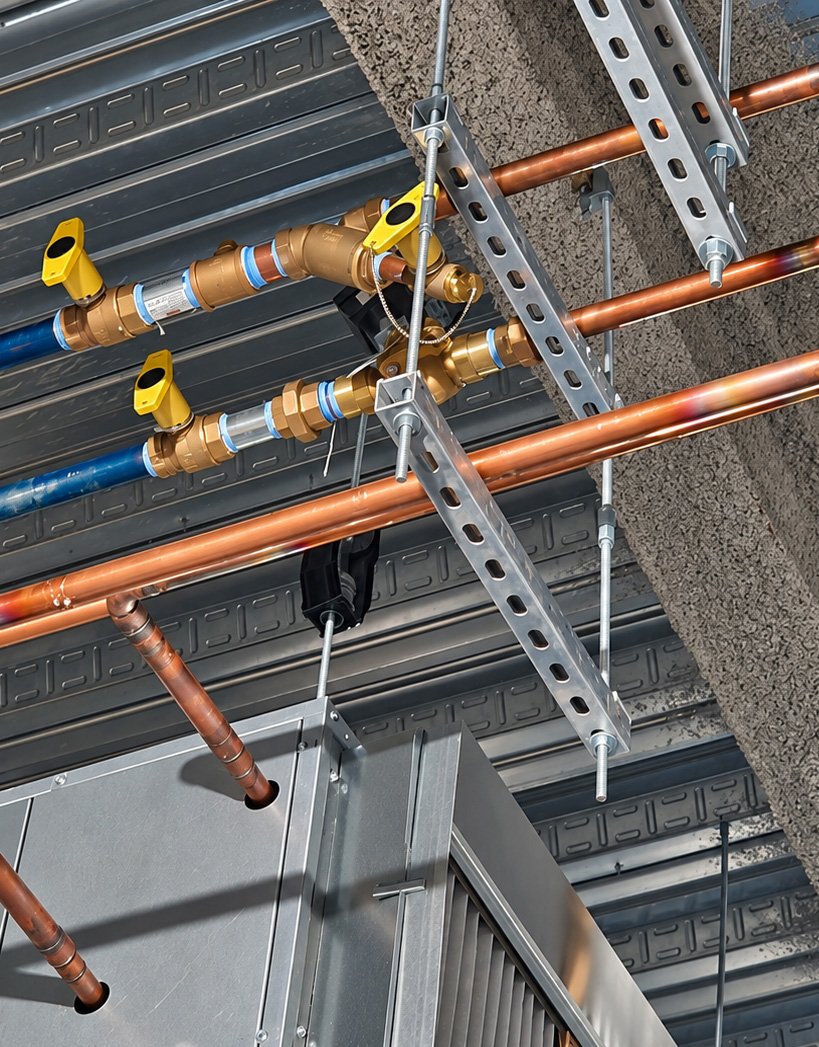
From a single boiler installation to a full mechanical room build-out, Jaccel & Heat is the mechanical contractor NYC facilities call for HVAC, steam piping, and preventative maintenance work. We cover the five boroughs, Nassau, and Suffolk, on commercial, industrial, and institutional job sites alike. Tell us what you’re working on and we’ll get back to you fast.